Kubernetes on the cloud — overview
Self-managed vs hosted control planes, and where GKE, EKS, and AKS fit
Managed Kubernetes is the usual way teams run clusters in public cloud: the provider runs the control plane, patches it, and integrates load balancers, IAM, and networking.
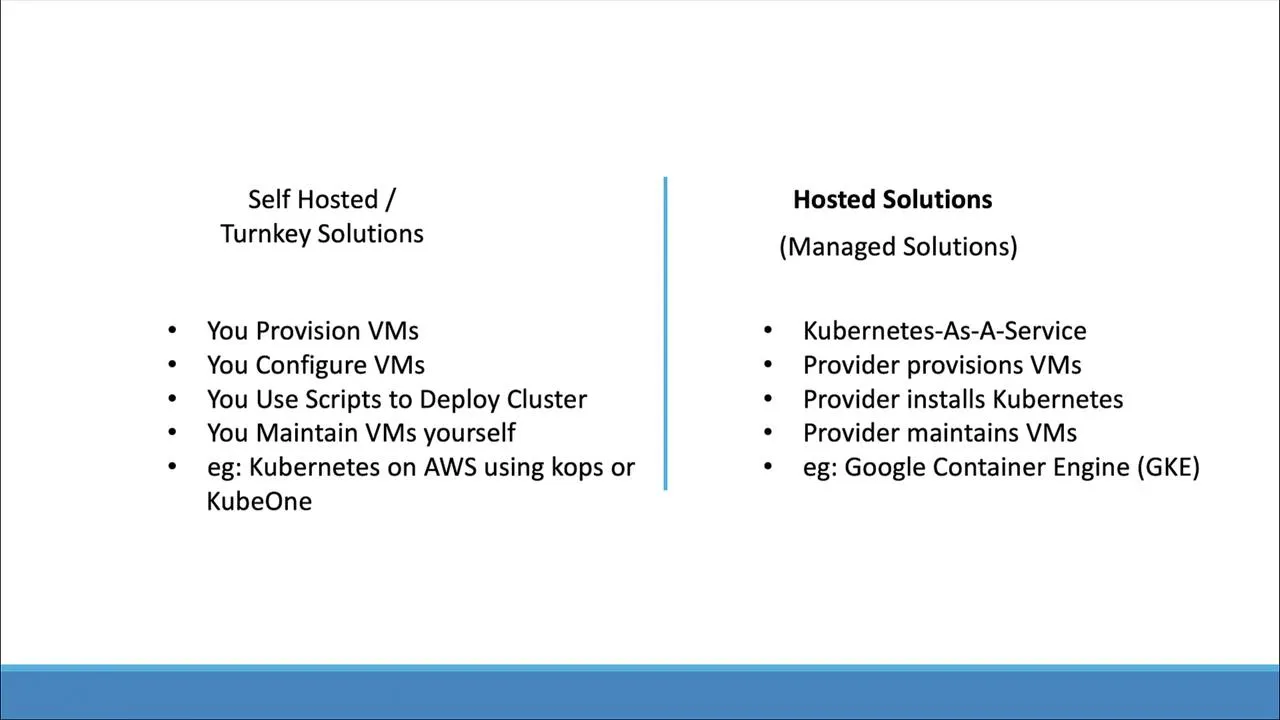
Two deployment styles
1. Self-managed (turnkey on VMs)
You create VMs and install Kubernetes (kubeadm, kubespray, kOps, etc.). You own upgrades, etcd backups, and control-plane availability. Good for learning internals or strict compliance islands.
2. Hosted / managed control plane
The cloud runs API servers, etcd, schedulers, and controllers. You manage worker capacity (node pools), workloads, and RBAC. Examples: GKE, EKS, AKS.
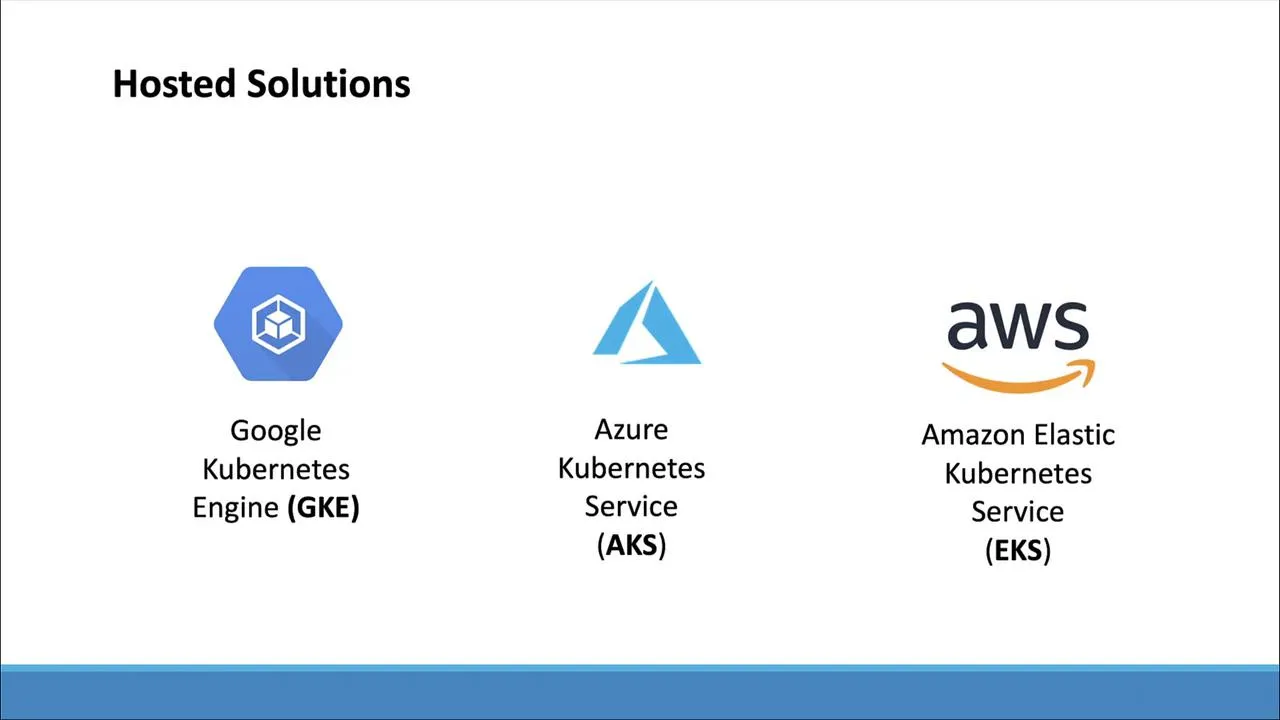
The big three managed offerings
| Service | Cloud |
|---|---|
| GKE | Google Cloud |
| EKS | AWS |
| AKS | Azure |
Concepts you already know—Pods, Deployments, Services, Ingress, Namespaces—stay the same. What changes is how you authenticate kubectl, attach load balancers, and pay for control-plane uptime.
For step-by-step cluster creation on each provider (plus deploying the sample voting app), use the three follow-up notes in this section (GKE, EKS, AKS).
Educational only: before production, read your provider’s security baseline, version skew policy, and cost controls (LBs and public IPs add up quickly).